Moving Forward Together: Creating a Lasting Relationship After Reconciliation
Reconciliation after a significant rift in a relationship is a monumental achievement, a testament to the commitment and resilience of both partners. However, the work is far from over. Simply reuniting isn't enough; rebuilding trust, re-establishing intimacy, and forging a stronger, more resilient relationship requires conscious effort, open communication, and a willingness to confront past wounds. This journey demands understanding, patience, and a shared vision for the future. This article will explore the crucial steps couples must take to not only survive but truly thrive after reconciliation.
Addressing the Root Causes
Before moving forward, you must honestly and thoroughly address the issues that led to the breakdown in the first place. Avoid sweeping problems under the rug; instead, engage in open and vulnerable conversations. This might feel uncomfortable initially, but it's a necessary step for lasting change. Don't focus on assigning blame; instead, work together to understand the contributing factors from both perspectives. This collaborative approach fosters empathy and shared responsibility for the healing process. Consider journaling individually to process your thoughts and feelings before discussing them with your partner. This can help prevent emotional outbursts during these sensitive conversations.
Facilitating Honest Communication
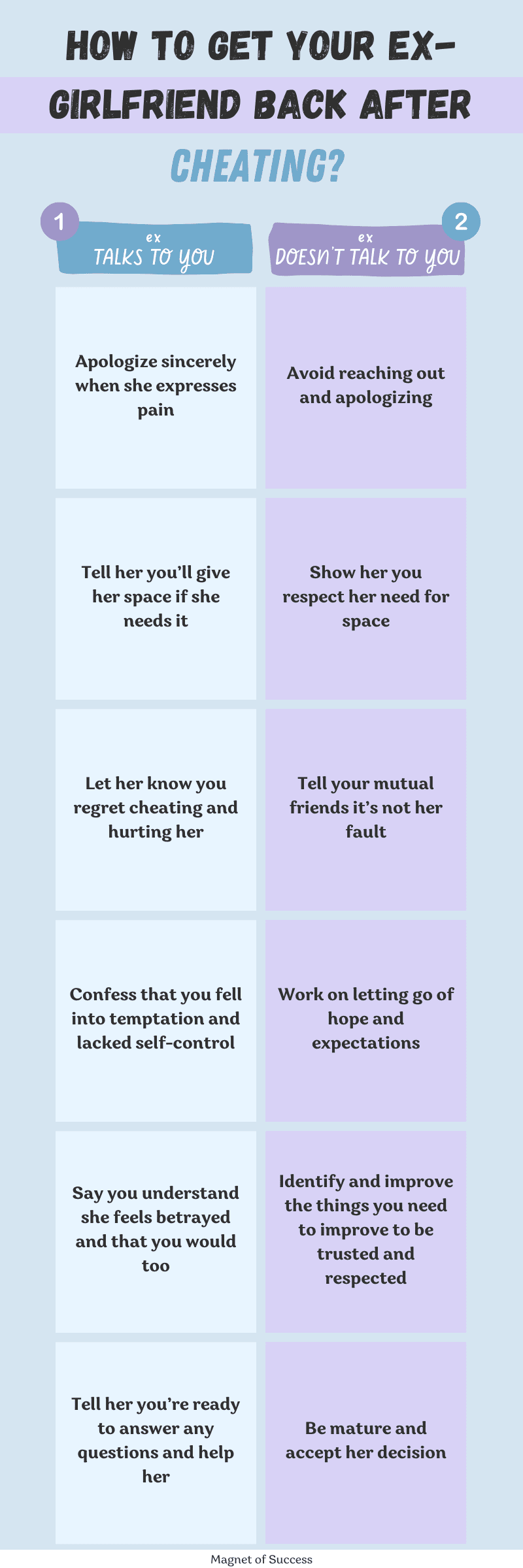
Effective communication is the bedrock of any healthy relationship, and it’s especially vital after a reconciliation. This means actively listening to your partner, validating their feelings, and expressing your own needs clearly and respectfully. Avoid accusatory language or bringing up past hurts in a way that feels like an attack. Instead, frame your conversations constructively, focusing on how to prevent similar problems in the future. Consider seeking professional guidance from a therapist specializing in couples counseling. They can provide a safe and neutral space for these difficult discussions.
Rebuilding Trust and Intimacy
Trust, once broken, is not easily repaired. Rebuilding it requires consistent effort and demonstrable actions aligned with words. Transparency and accountability are key. Be honest about your whereabouts and activities. If you made a commitment to change a particular behavior, follow through diligently. Small acts of kindness, reliability, and consistent affection can gradually rebuild trust over time. Intimacy, both emotional and physical, will also need nurturing. It might feel awkward or strained at first, but creating a safe and supportive space for vulnerability is crucial for rekindling emotional intimacy. Gradually re-establishing physical intimacy will take time and patience. Be mindful of each other’s comfort levels and proceed at a pace that feels natural and safe for both of you.
Prioritizing Quality Time
Make time for each other, prioritizing quality time together. This doesn’t necessarily mean grand gestures; it could be something as simple as sharing a cup of coffee in the morning, going for a walk in the evening, or having a regular date night. These moments of connection help strengthen your bond and remind each other of why you’re together. Plan activities you both enjoy and engage in shared hobbies to recreate positive experiences and memories.
Forging a Stronger Future
Reconciliation isn't about returning to the past; it's about building a better future together. This requires a shared vision of your relationship goals. Discuss your hopes and dreams for the future, both individually and as a couple. Set clear expectations, defining what success looks like in your relationship. Consider creating a joint vision board or writing down your goals together. Regularly revisiting your shared goals will help keep you both aligned and focused on a brighter future.
Seeking Professional Support
Don't hesitate to seek professional help. A therapist can provide valuable tools and techniques for communication, conflict resolution, and rebuilding trust. They can offer a neutral space to process emotions and work through challenging issues. Remember, seeking professional help is a sign of strength, not weakness, and it can significantly increase your chances of success in rebuilding your relationship.
Reconciliation is a journey, not a destination. It requires commitment, patience, and a willingness to grow together. By addressing the root causes, rebuilding trust, and fostering open communication, you can create a stronger, more resilient, and lasting relationship.